Table of Contents
Maintaining a property in the desert requires a unique approach to home care, especially when it involves water management. While many residents focus on heat mitigation, Proactive Maintenance Strategies for Preventing Water Damage in Scottsdale Arizona Homes are equally vital for long-term structural integrity. Implementing Proactive Maintenance Strategies for Preventing Water Damage in Scottsdale Arizona Homes allows property owners to identify vulnerabilities before they escalate into expensive emergency repairs.
Key Takeaways
- Regular inspections of plumbing and roofing are the first line of defense against leaks.
- Monsoon season preparation is essential to prevent external water intrusion.
- Modern technology, such as smart leak detectors, provides real-time protection.
- Professional assistance ensures that hidden moisture does not lead to mold growth.
Understanding Water Risks in a Desert Climate
Homeowners in Scottsdale, Arizona, often operate under the misconception that a dry climate equates to a low risk of water-related issues. In reality, the extreme heat can accelerate the wear and tear on plumbing materials and sealants. When the seasonal rains arrive, the parched ground often struggles to absorb high volumes of water quickly, leading to flash flooding and drainage backups.
Beyond weather events, internal plumbing failures remain a leading cause of property claims. From high water pressure to aging infrastructure, the variables that contribute to indoor flooding are numerous. Protecting a home requires a transition from reactive repairs to a consistent maintenance mindset.
Common Sources of Interior Water Intrusion
Identifying where a leak is likely to start is the first step in prevention. Several common culprits frequently lead to significant damage if left unmonitored.
Plumbing and Slab Leaks
Many homes in the region are built on concrete slabs. Over time, the copper piping underneath these slabs can corrode or shift, leading to what is known as a slab leak. These are particularly insidious because they remain hidden until they have already compromised the foundation or flooring. Homes in neighborhoods like McCormick Ranch often feature mature plumbing systems that may require more frequent assessment to catch these subterranean issues early.
Appliance Malfunctions
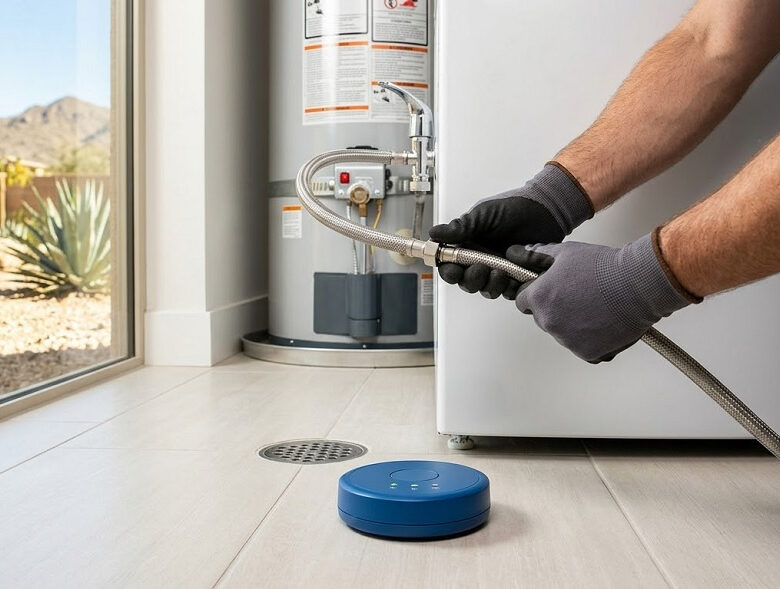
Dishwashers, washing machines, and refrigerators with ice makers are common points of failure. A brittle plastic supply line on a refrigerator or a cracked hose on a washing machine can release hundreds of gallons of water in a single afternoon. Replacing standard rubber hoses with braided stainless steel alternatives is a simple yet effective upgrade.
Water Heater Failures
The average lifespan of a water heater in Scottsdale is often shorter than the national average due to mineral buildup from hard water. As sediment collects at the bottom of the tank, it causes the metal to overheat and eventually crack. Regular flushing of the tank can extend its life and prevent a catastrophic burst.
The Impact of Monsoon Storms
While internal leaks are a year-round threat, the summer monsoon season brings external challenges. Intense wind and heavy downpours can expose weaknesses in a home’s exterior envelope.
- Roof Vulnerabilities: High winds can lift shingles or damage tile underlayment. Even a small gap allows water to seep into the attic, where it may go unnoticed until a ceiling begins to sag.
- Drainage Issues: If landscape grading has shifted over time, water may pool against the foundation rather than flowing away from the structure. Ensuring that gutters and downspouts are clear of debris is a fundamental task before the storm season begins.
Warning Signs Every Homeowner Should Know
Early detection is the most effective way to minimize restoration costs. Homeowners should perform a monthly “walk-through” to look for subtle indicators of moisture.
Aesthetic Changes
Keep a close eye on walls and ceilings for any signs of bubbling paint or ceiling stains. These discolorations often start as faint yellow or brown spots. Similarly, warped flooring or “crowning” in wood planks suggests that moisture is present beneath the surface.
Unexpected Odors
A persistent musty odor is a hallmark of trapped moisture. Because mold thrives in dark, damp environments, a smell often precedes any visible growth. If a specific room or cabinet smells damp despite appearing dry, a hidden leak is likely the cause.
Utility Bill Fluctuations
A sudden, unexplained increase in the monthly water bill is a definitive red flag. If your water usage habits have not changed, but the meter continues to run, you likely have a pinhole leak in the plumbing system or a running toilet that needs immediate attention.
Practical Prevention and Maintenance Tips
A proactive approach involves a combination of manual inspections and hardware upgrades. Consistent care significantly reduces the probability of a major flood event.
Monitor Water Pressure
High water pressure might feel good in the shower, but it places immense stress on pipes and joints. Installing a pressure regulator and keeping it set between 40 and 60 psi can prevent pipes from bursting under strain.
Inspect Supply Lines Regularly
Check the connections under every sink and behind every toilet. Feel for dampness or “fuzz” on metal connectors, which indicates slow seepage. Replacing these small components every five to seven years is a low-cost insurance policy against a major leak.
Maintain the HVAC System
In Scottsdale, Arizona, air conditioners run almost constantly for several months of the year. The condensation produced by these units must drain properly. If the primary drain line clogs with algae or debris, the water will back up into the secondary pan or, worse, overflow into the ceiling. Regularly clearing the condensate line prevents this common summer headache.
The Role of Smart Technology
One of the most effective modern tools for home protection is the smart leak detector. These devices sit near high-risk areas—like the water heater or under the kitchen sink—and send an alert to your smartphone the moment they detect moisture. Some advanced systems even include an automatic shut-off valve that can kill the main water supply to the house if a major leak is sensed, providing peace of mind even when you are away on vacation.
When Professional Intervention is Necessary
Despite the best maintenance efforts, accidents happen. When a pipe bursts or a storm overwhelms your home’s defenses, the clock starts ticking. Standing water can begin to damage drywall and flooring within minutes, and mold spores can begin to colonize in as little as 24 to 48 hours.
Homeowners should not attempt to dry out significant flooding with standard household fans. Specialized equipment, such as industrial dehumidifiers and air movers, is required to extract deep-seated moisture from structural materials. In cases of seasonal flooding or appliance and roof leaks, contacting professionals experienced in water damage restoration in Scottsdale AZ can help prevent structural damage and mold growth. These experts use thermal imaging cameras to locate hidden pockets of water behind walls that the naked eye cannot see, ensuring the property is truly dry before repairs begin.
Protecting a home in the desert requires a balance of vigilance and action. By understanding the unique risks posed by the local climate and aging infrastructure, homeowners can implement a strategy that prioritizes prevention over repair. Regular inspections of appliances, plumbing, and the home’s exterior remain the most effective ways to avoid the stress of a flooded property.
Addressing small issues immediately is always more cost-effective than dealing with a large-scale restoration project. Whether it is replacing a worn-out hose or installing a smart shut-off valve, these small steps ensure your home remains a safe, dry sanctuary regardless of the weather outside.
Frequently Asked Questions
What are the most common causes of water damage in Scottsdale homes?
In Scottsdale, water damage typically stems from a combination of internal plumbing failures and external weather events. Aging water heaters, corroded supply lines, and slab leaks are frequent internal culprits. Externally, the intense rainfall during monsoon season can overwhelm drainage systems or expose existing roof vulnerabilities, leading to sudden and significant indoor leaks.
How can I tell if I have a hidden slab leak?
Slab leaks occur beneath the concrete foundation and can be difficult to spot early. Warning signs include unexplained warm spots on your flooring, a sudden spike in your water bill, or the sound of running water when all faucets are turned off. If you notice damp carpets or warped hardwood in areas far from any plumbing fixtures, it is a strong indicator of a subterranean leak.
Does homeowners insurance usually cover water damage?
Most standard policies cover water damage if it is “sudden and accidental,” such as a burst pipe or a failing appliance. However, damage resulting from long-term lack of maintenance or gradual seepage is often excluded. It is also important to note that standard homeowners insurance typically does not cover rising groundwater from external flooding; a separate flood insurance policy is usually required for that specific protection.
How quickly does mold begin to grow after a leak?
Mold spores are opportunistic and can begin to colonize on damp organic materials—like drywall, wood, and insulation—within 24 to 48 hours of exposure to moisture. Because the Scottsdale heat can create a greenhouse effect inside a damp home, it is critical to extract water and begin the drying process immediately to prevent a secondary mold infestation.